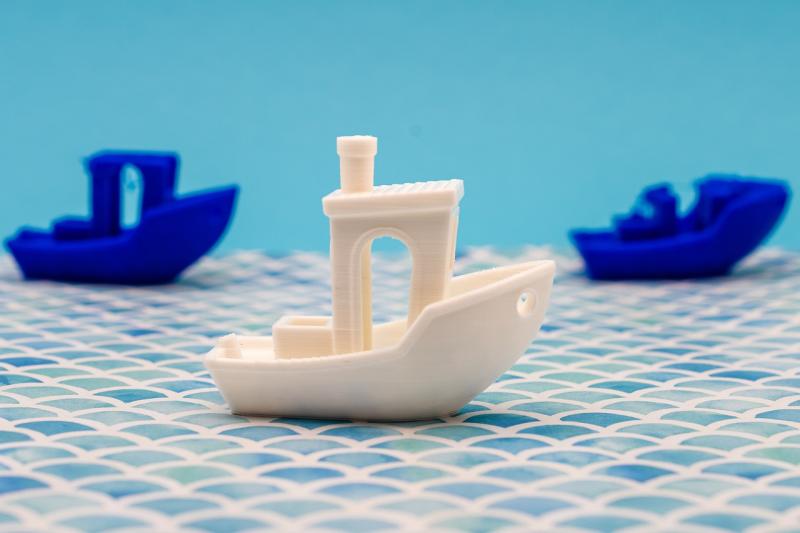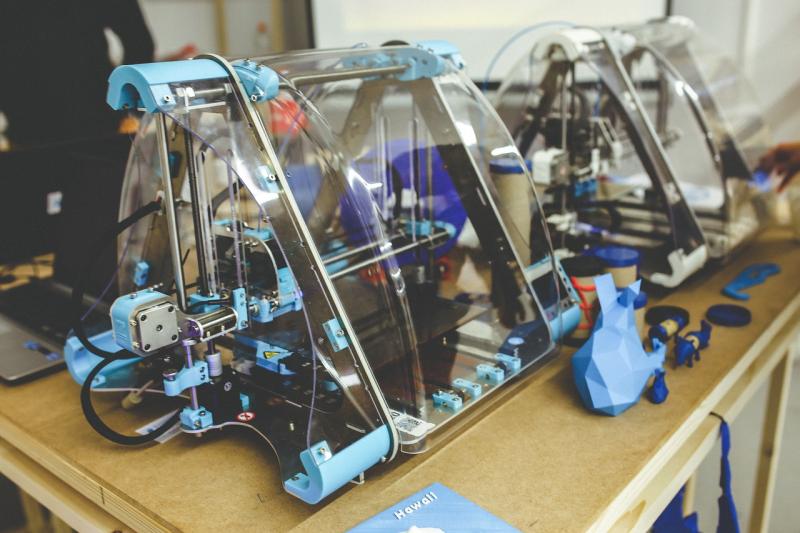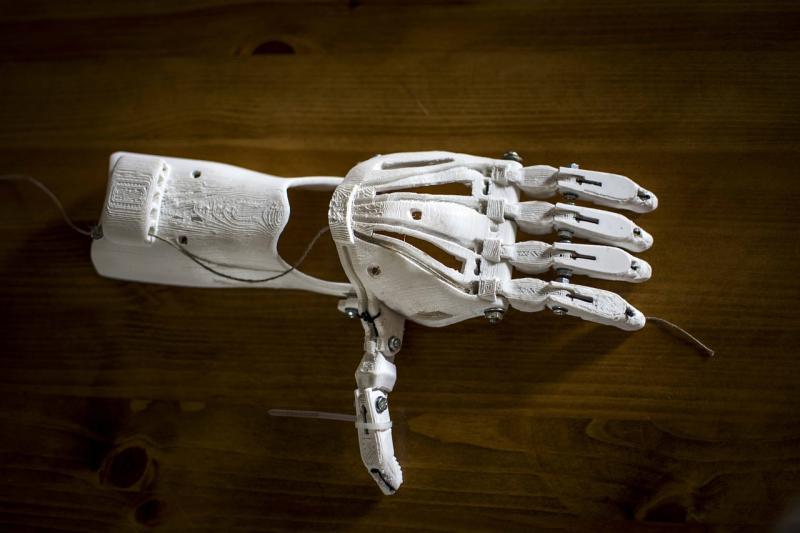
If you’re thinking about diving into the world of 3D printing for your small business, the possibilities are exciting! 3D printing can open up a ton of opportunities. Whether you want to create unique products or offer services, you can make your mark in this growing industry.
Consider designing and selling custom items. People love personalized gifts, so why not create custom phone cases or keychains? You can also whip up personalized home décor like coasters or small sculptures that fit any style. Tools like Tinkercad or Fusion 360 make it pretty easy to design what you imagine.
If you’re into fashion, 3D printing jewelry could be your thing. Imagine making unique pieces that no one else has. You can experiment with different materials and finishes, and even take custom orders! The fashion crowd loves one-of-a-kind designs, so there’s a real market there.
Another route is to offer prototyping services to other businesses. Many companies need prototypes to test ideas before going into full production. Being the go-to person for 3D printing prototypes can bring in steady work and help build long-term relationships with clients.
You can also dive into the educational sector. Schools and makerspaces are buzzing about 3D printing. Offer workshops or classes to teach others how to use 3D printers. People appreciate hands-on learning experiences, and you could spark someone's passion for technology!
Choosing the Right 3D Printer for You
Choosing the right 3D printer can feel a bit overwhelming, but it doesn’t have to be. Start by thinking about what you want to make. Are you planning to create prototypes, custom gifts, or maybe even small-batch products? Knowing your goals helps narrow down the options.
Next, consider your budget. 3D printers come in a wide range of prices. Some budget-friendly models do a fantastic job for beginners or small businesses, while higher-end printers offer advanced features and better quality. Make sure to include the cost of materials in your budget. Some printers use more expensive filaments, so keep that in mind!
Look at the printer's specifications before making a choice. Pay attention to build volume, which tells you how big your prints can be. If you want to create larger items, go for a printer with a roomy build area. Also, check the printer type—FDM printers are great for most projects, while resin printers deliver super detailed prints.
Finally, consider the support and community around the printer. Some brands have fantastic resources, tutorials, and a great user community. If you run into issues or need ideas, having a helpful community can make all the difference.
Getting Started with 3D Printing Supplies
Diving into 3D printing for your small business can be super exciting, but you’ll want to make sure you have the right supplies to get started. First things first, you need a reliable 3D printer. Look for something that's user-friendly and has good support. Brands like Prusa and Creality are popular for beginners and pros alike. Make sure you pick one that fits your budget and business needs.
Next up, let's talk about filament. This is the material that your printer uses to create objects. There’s a bunch of different types, like PLA, ABS, and PETG. PLA is a great choice for beginners since it’s easy to work with and comes in a rainbow of colors. ABS is tougher and perfect if your products need to withstand some rough handling, while PETG strikes a balance between the two. Get a few spools of different materials to experiment with!
Don't forget about printing accessories! You'll want some essential tools like a spatula for removing prints, pliers for cleaning up little bits, and maybe even a digital caliper for precise measurements. Having the right tools at your fingertips can make a huge difference in how smoothly your printing goes.
Lastly, consider investing in a good slice software. This program translates your designs into instructions that your printer understands. Many printers come with slicers, but you might want to check out popular options like Cura or PrusaSlicer for added features. Spend some time learning how to use it effectively; it'll really pay off in your print quality!
Marketing Your 3D Printed Products Effectively
Once you’ve got your 3D printing skills down and a nice line of products ready to go, it’s time to get the word out. Marketing your 3D printed creations doesn't have to be a headache. In fact, it can be fun! Let's dive into some simple ways to get your products noticed.
First off, social media is your best friend. Platforms like Instagram and Facebook are perfect for showcasing your designs. Post high-quality photos of your products, share videos of the printing process, and give your audience a peek behind the scenes. Engage with your followers by asking for feedback or suggestions; it makes them feel involved in your journey!
Next, consider setting up an online shop. Websites like Etsy are tailored for handmade items and can help you reach a larger audience. Make sure to put in clear descriptions, and don’t forget about keywords—this helps your products pop up in searches.
Local markets and craft fairs are also great ways to market your products. People love to see and touch 3D printed items in person. Plus, you can share your story and talk about the unique features of your products, which can really connect with potential buyers.
Finally, don't underestimate the power of word-of-mouth. Encourage happy customers to share their experiences online or with their friends. Maybe even offer a discount for referrals. It’s an easy way to grow your customer base without spending much on advertisements!