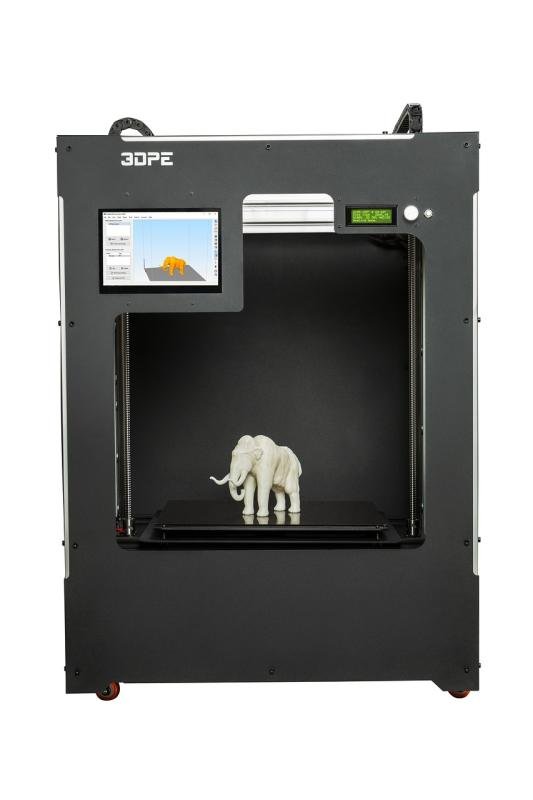
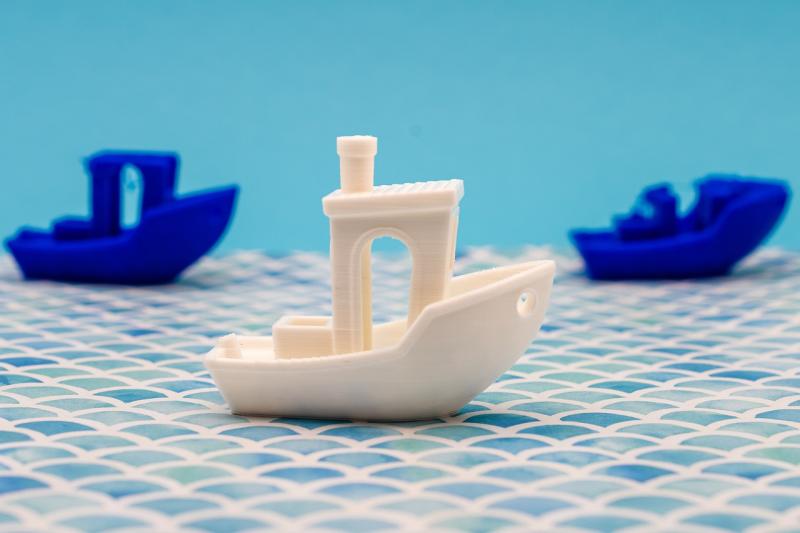
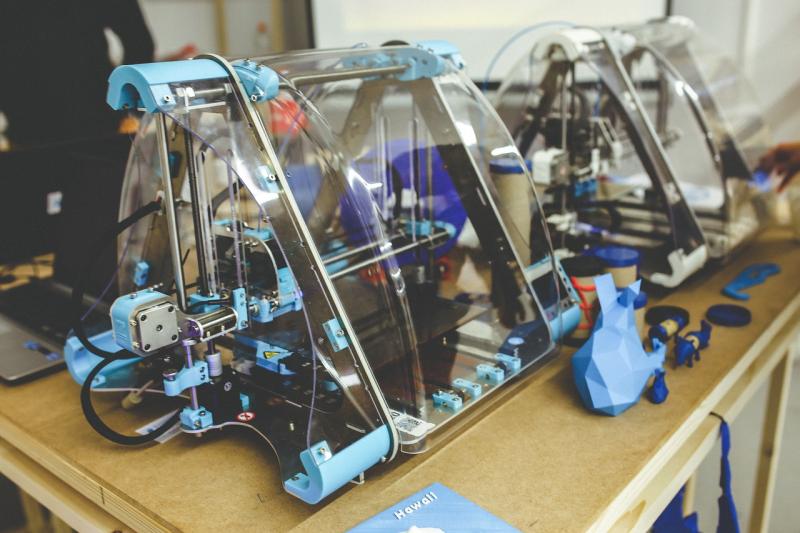
A 3D printer is an amazing piece of technology that turns digital designs into real-life objects. Imagine drawing something on your computer, hitting print, and then watching it come to life layer by layer. It's like magic, but it’s really just clever engineering! These printers use materials like plastic, resin, or metal to create everything from toys to tools to even intricate art pieces.
You might be wondering how it actually works. Essentially, a 3D printer builds an object by adding material one layer at a time. First, you create or download a 3D model using design software or websites that offer ready-to-print files. Then, the printer follows that design, squeezing out the chosen material and slowly stacking it up until the object is complete. Pretty cool, right?
3D printers come in different sizes and styles depending on what you need. Some are perfect for hobbyists who want to create small models, while others are big and heavy-duty, made for professionals who need to print high-quality prototypes. You can even find ones that use unique materials for specialized projects, like medical devices or specific industrial parts.
If you're thinking about getting into 3D printing, there are tons of resources out there. YouTube has countless tutorials to help you get started, and online communities are filled with passionate people ready to share tips and tricks. It’s a fun way to express your creativity and explore new ideas, whether you’re a beginner or a seasoned pro!
Types of 3D Printers Explained
When diving into the world of 3D printers, it helps to know the different types out there. Each type has its own features that suit various needs. Let’s break them down.
FDM Printers: Fused Deposition Modeling printers are some of the most common and straightforward. They work by melting plastic filament and laying it down layer by layer. It's perfect for beginners and hobbyists because of its affordability and ease of use. You can whip up everything from prototypes to toys!
SLA Printers: Stereolithography printers use resin and UV light. They create highly detailed prints and are great for intricate designs. If you want to get into jewelry making or detailed models, an SLA printer is your best bet. Just be aware that resin can get a bit messy!
SLS Printers: Selective Laser Sintering printers work differently by using a laser to fuse powdered materials. They produce strong and durable parts, ideal for engineering and functional prototypes. These machines can be pricey, but the quality is top-notch.
In each type of printer, you'll find a variety of models to choose from based on your budget and printing goals. Whether you're just starting out or looking to create professional-grade projects, there’s definitely a 3D printer that fits your needs!
Choosing the Right 3D Printer
Next, consider the printing materials. Some printers work well with just one type, like PLA, which is a breeze to use. Others can handle various materials like ABS or resin. If you need flexibility in what you can print, look for a printer that supports multiple filament types.
Don't forget about the build volume either. If you want to print larger models, a printer with a big build space will be essential. But if you're just printing small items, a smaller footprint might work just fine, and it can also save you some space.
Lastly, think about your budget and tech skills. There are budget-friendly machines that still deliver great results. If you’re new to 3D printing, you might want a user-friendly model with good customer support and community resources. And if you love tinkering, there are advanced options to explore too!
Tips for Getting Started
Jumping into 3D printing? Awesome choice! Here are some tips to help you kick things off without feeling overwhelmed.
First things first, choose the right 3D printer. Look for one that matches your needs. If you're just starting, a user-friendly model like the Creality Ender 3 or Anycubic Mega S can be a great fit. They’re budget-friendly and well-loved in the community, plus you can find loads of support online.
Once you have your printer, dive into some beginner-friendly software for creating your 3D models. Tinkercad is a fantastic option. It’s free, web-based, and super intuitive. You can whip up designs in no time. There are plenty of tutorials out there to guide you, so don’t stress if you’re new to this part!
Next, practice is key. Start with easy projects, like simple toys or custom keychains. This helps you get comfortable with your printer and troubleshooting any hiccups that might come up. Plus, you’ll build confidence and skills without feeling too stretched.
Finally, join a 3D printing community. Whether it’s online forums, social media groups, or local meet-ups, connecting with others can be a game-changer. You’ll get tips, tricks, and support from people who have been in your shoes. Happy printing!