3D printing is a cool technology that creates physical objects from digital designs. Instead of using traditional methods like cutting or molding, 3D printers build items layer by layer. This process offers amazing flexibility, letting you create everything from toys to complex parts used in industries.
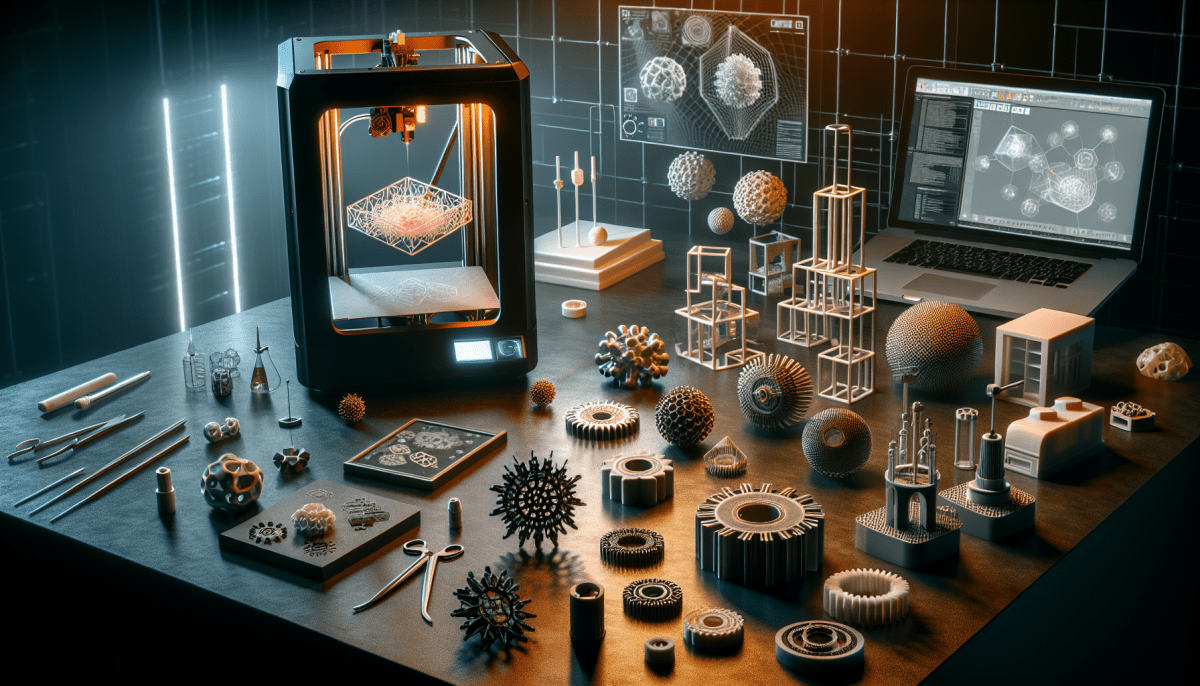
The magic starts with a 3D model, usually made using design software. Popular programs include Tinkercad for beginners and Fusion 360 for those looking for more features. After designing, you save your project in a special format that the printer can understand, usually an STL or OBJ file. This file gets sliced into thin layers by slicing software, which translates the design into instructions for the printer.
When you hit print, the machine gets to work! It heats up a special material—often plastic filament like PLA or ABS—and extrudes it through a nozzle, laying down each layer one by one. As each layer cools and hardens, the object gets formed. This whole process can take just a few hours or even days, depending on the size and complexity of what you’re making.
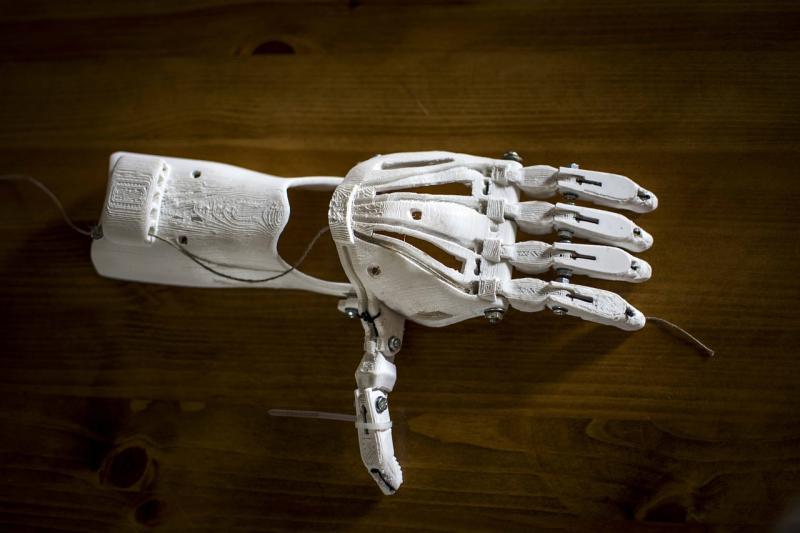
One of the best parts about 3D printing is the variety of materials you can use. Besides plastics, there are options like metal, resin, and even food! This opens up a whole world of creative possibilities. Whether you’re a hobbyist, an artist, or someone who needs custom parts, there's a 3D printer out there that fits your needs. Plus, it’s a great way to turn your ideas into reality!
Choosing Your First 3D Printer
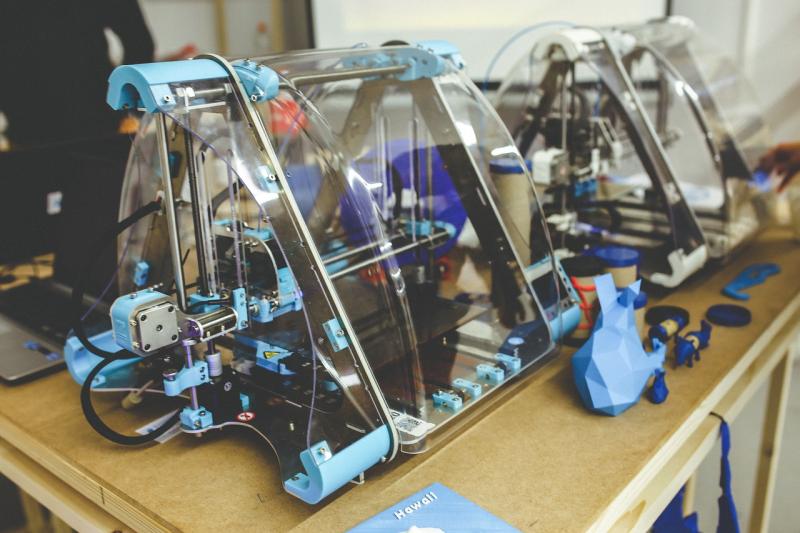
Think about your budget. You can find decent entry-level FDM printers for under $300. Many of them come as kits, so you get to build it yourself, which is a great way to learn. If you prefer something that’s ready to go straight out of the box, look for all-in-one models. They can be a bit pricier, but they save you the hassle.
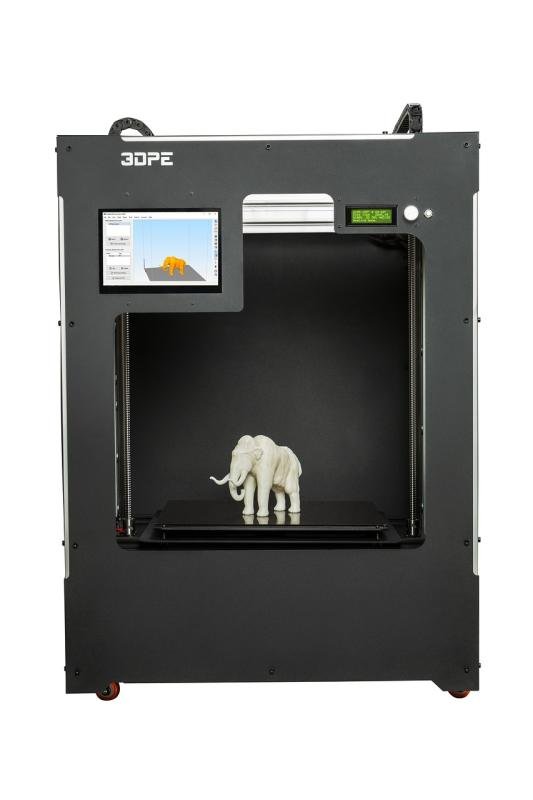
Next, consider the size of the objects you want to create. If you’re planning to print small models or miniatures, a smaller printer will work just fine. But if you dream of printing larger creations, then look for a printer with a bigger build volume. Don’t forget about the materials too. Most beginners are happy with PLA filament since it’s easy to work with and comes in tons of colors.
Lastly, check out the community around the printer you’re considering. A supportive community can make a big difference when you hit a snag. Look for forums, online groups, or YouTube channels where users share tips and tricks for your model. It’s a great way to get help and inspiration as you dive into your 3D printing journey!
Essential Materials for 3D Printing
Getting into 3D printing means you’ll need some essential materials to get started. Choosing the right stuff can make all the difference in your prints. Let’s dive into the basics!
First up, filament is a must-have. This is the "ink" for your 3D printer. The most common types are PLA and ABS. PLA is user-friendly and biodegradable—great for beginners. ABS is tougher and can handle higher temperatures, but it needs a heated bed for best results. You’ll find all sorts of colors and finishes, so pick what matches your style!
Next, you’ll need a build plate surface. This is where your prints stick while they’re being made. Options include glass, aluminum, and specialty sheets designed to help your prints adhere better. Some surfaces make it easier to remove finished prints without a hassle, saving you time and effort.
Don’t forget about supports and adhesives. Sometimes, your designs need a little extra help while they’re printing. Using support material can keep everything steady. Depending on your filament type, you might also need a good adhesive spray to help your print stick to the plate.
Lastly, keep some cleaning supplies handy. A simple scraper or spatula can help you get prints off the build plate. You might also want some isopropyl alcohol to clean the build surface and ensure your prints stick well every time. Now you’re all set to start printing your dreams into reality!
Basic Tips for Successful Prints
Getting started with 3D printing can be super exciting, but there are a few essential tips that can help you avoid common pitfalls and get the best results. First, make sure you’ve got your printer set up correctly. Level that print bed! An unlevel bed can lead to a lot of issues, like bad adhesion or uneven layers. Take your time with this step—it’ll pay off in the end.
Next up, let’s talk about filament. Choose the right material for your project. PLA is a great starting point for beginners. It’s user-friendly, affordable, and doesn’t require a heated bed. If you’re feeling adventurous, try PETG or ABS once you get comfortable. Each type has its quirks, so familiarize yourself with them before jumping in.
Temperature is crucial! Every filament has its sweet spot in terms of nozzle and bed temperature. Check the recommendations on the filament packaging or the manufacturer's website. If things don't look right, don’t be afraid to tweak the settings a bit. Sometimes, just a small adjustment can make a big difference.
Don’t forget about supports and rafts! If your model has overhangs, using support structures can help it printing cleanly. You can also try adding a raft for better adhesion, especially on tricky surfaces. Experiment and see what works best for your prints.
Finally, be patient and don’t rush the process. Print times can vary, so it’s worth waiting for those layers to build up smoothly. Keep an eye on your prints as they go. If something looks off, don’t hesitate to pause and troubleshoot. With a little practice and these simple tips, you'll be printing like a pro in no time!